Provincial Regulations Fueling Innovations in Mobile Casino Payment Systems for French-Speaking Players
Written by Blake Lorenz · Oct 5, 2026

Provincial Regulations Fueling Innovations in Mobile Casino Payment Systems for French-Speaking Players
Provincial regulations across Canada have shaped the evolution of mobile casino payment systems, particularly for French-speaking players in regions where language-specific services and local compliance requirements intersect with broader technological advancements, and data from October 2026 shows continued integration of secure digital wallets alongside traditional banking channels in provinces like Quebec and New Brunswick.
Regulatory Frameworks Guiding Payment Developments
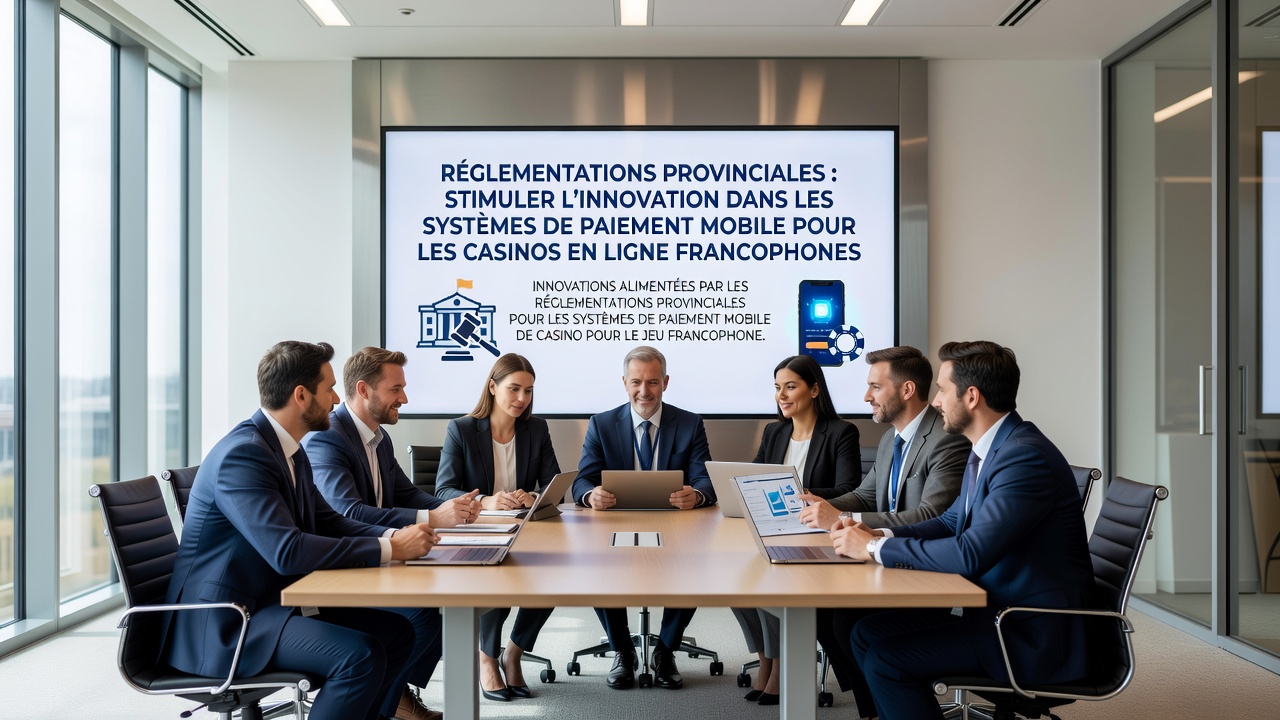
Provincial authorities establish licensing conditions that mandate encryption standards and transaction monitoring protocols, which in turn prompt operators to refine mobile interfaces for seamless French-language support while meeting audit requirements from bodies such as the Régie des alcools, des courses et des jeux in Quebec; these rules create structured pathways for innovation rather than restricting options, because compliance often aligns with user demands for faster and more transparent processing methods.
Researchers at academic institutions have documented how such mandates lead to partnerships between payment providers and gaming platforms, resulting in features like real-time currency conversion that accommodate both Canadian dollars and euro-based transactions for bilingual users, and figures released in late 2026 highlight a measurable uptick in adoption rates following updated provincial guidelines on digital verification processes.
Impact on French-Speaking User Experiences
French-speaking players benefit when regulations require localized interfaces, because operators must incorporate terminology and support structures that match provincial language laws, leading to payment flows that feel intuitive within mobile applications, while independent studies from Canadian research centers indicate these adaptations correlate with higher retention metrics in eastern provinces compared to areas with fewer linguistic mandates.
One case documented by industry observers involved the rollout of contactless payment options that complied with updated security thresholds set by New Brunswick regulators, and this development allowed users to complete deposits through integrated banking apps without leaving the casino platform, demonstrating how rules can accelerate rather than delay technological rollouts.
Technological Adaptations Driven by Compliance Needs
Payment processors respond to provincial oversight by embedding advanced fraud detection algorithms directly into mobile casino applications, and this integration supports features such as biometric authentication that satisfy both security audits and user convenience preferences in French-speaking markets; evidence from sector reports shows these tools reduce processing times while maintaining alignment with varying provincial standards on data residency.
Operators have introduced tiered verification systems where initial small transactions require minimal documentation, scaling up as activity increases, and this approach stems directly from regulatory frameworks that prioritize risk-based assessments rather than uniform restrictions across all user segments, allowing platforms to scale innovations efficiently.
Comparative Examples Across Provinces
Ontario's emphasis on centralized oversight through its gaming authority has encouraged standardized API connections for payment gateways, whereas Quebec's model prioritizes local data handling that influences how mobile systems store transaction histories, and observers note these differences create distinct innovation paths that still converge on improved accessibility for French-speaking audiences across borders.
Academic analyses from institutions outside North America, including reports referenced by European gaming research groups, have compared these Canadian provincial approaches with international benchmarks, revealing that language-inclusive design requirements often produce payment interfaces with broader usability than those developed under less prescriptive rules.
Conclusion
Provincial regulations continue to serve as catalysts for refinements in mobile casino payment systems tailored to French-speaking players, with ongoing developments tracked through October 2026 data underscoring the connection between compliance frameworks and practical technological progress across multiple Canadian jurisdictions.