Encore Boston Harbor Casino Workers Launch Strike Over Contract Terms
Written by Tina Müller · Sep 7, 2026
Encore Boston Harbor Casino Workers Launch Strike Over Contract Terms
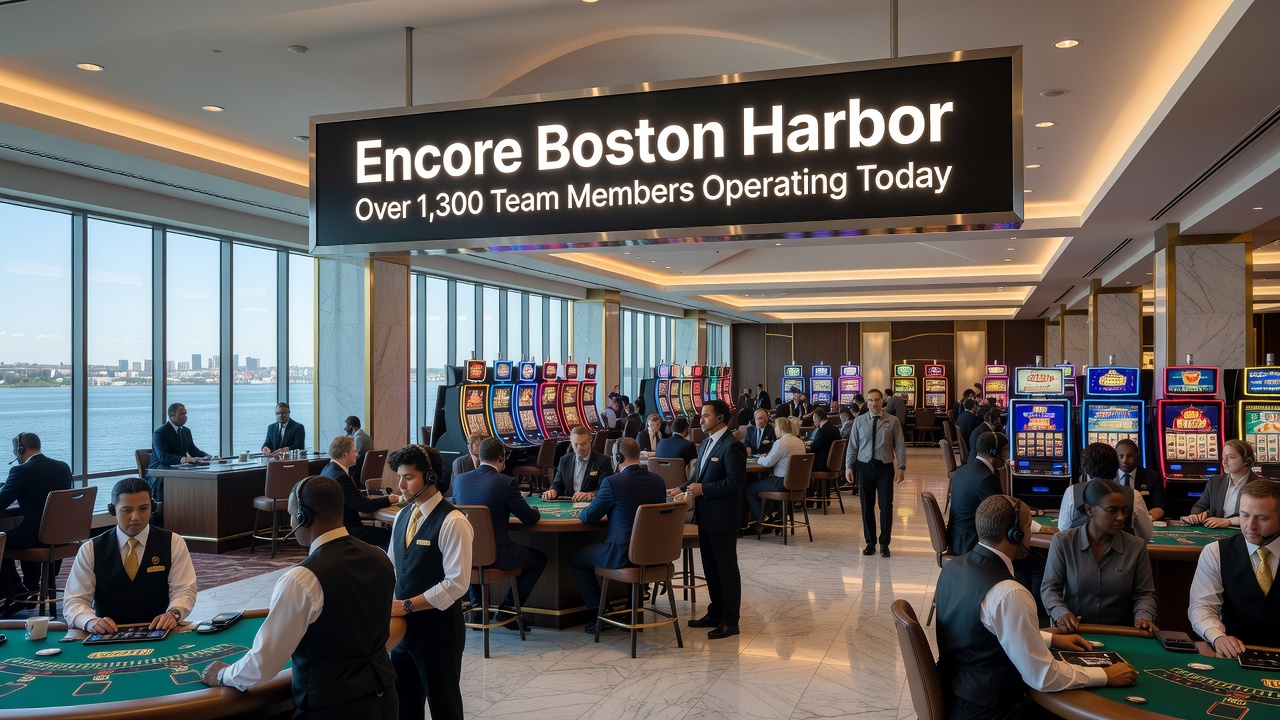
More than 1,300 employees at the Encore Boston Harbor casino resort in Everett, Massachusetts walked off the job on September 4, 2026 after contract talks between management and union representatives reached an impasse, and the action marks a significant development in regional labor relations for the gaming and hospitality sectors.
Strike Details and Union Representation
Workers represented by UNITE HERE Local 26 and Teamsters Local 25 initiated the strike, and these groups include housekeepers, cooks, slot attendants along with additional support staff who maintain daily operations at the property operated by Wynn Resorts. Negotiations had centered on several core issues yet failed to produce a new agreement by the deadline, which prompted the coordinated walkout that began that morning in early September 2026.
Data from company filings indicate the property generated approximately 847 million dollars in revenue during one recent fiscal year, and union leaders have highlighted these figures while pressing for compensation and benefit adjustments that align with patterns observed at other unionized hotels in the greater Boston area. The casino itself has remained open and fully operational throughout the initial days of the strike, with management deploying contingency staffing measures to sustain guest services.
Key Demands from Workers
Union proposals focus on wage increases that include a potential 10 dollar per hour rise spread across several years for non-tipped employees, and they also seek enhancements to healthcare coverage, pension contributions, job security provisions, and overall benefits packages. These requests draw direct comparisons to contracts already in place at comparable Boston-area properties, where similar roles receive more competitive total compensation structures according to publicly available labor agreements.
Representatives from both unions have emphasized that prior wage and benefit gains at the Encore property have not kept pace with inflation or regional standards, while company statements note steady improvements in employee packages over recent contract cycles and express a willingness to reach a sustainable long-term deal. Observers note that the revenue figures cited by the unions provide context for the financial scale of the operation amid these discussions.
Operational Continuity and Broader Context
The property continues to welcome guests and maintain core functions, and this approach mirrors patterns seen in other casino labor disputes where operators prioritize uninterrupted service to protect revenue streams. External links to detailed coverage appear in reports from the Boston Globe and the Boston Herald, which outline the timeline and positions held by each side.
Those who have tracked similar negotiations in Massachusetts gaming facilities point to the involvement of multiple unions as a factor that strengthens collective bargaining leverage, and historical records show comparable actions at other regional resorts have produced varied outcomes depending on economic conditions and revenue performance. The current dispute occurs against a backdrop of steady growth in the local casino industry, where employment data from state sources reflect ongoing demand for skilled hospitality and gaming personnel.
Company Position and Revenue Insights
Wynn Resorts has highlighted previous contract achievements that delivered wage growth and expanded benefits for the workforce, and executives have reiterated their commitment to finalizing an agreement that supports both employee needs and business sustainability. Revenue documentation released in corporate filings underscores the property's contribution to overall company performance, which provides a factual basis for the scale of operations affected by the strike.
State regulatory filings and labor department statistics offer additional context on employment trends within Massachusetts gaming venues, and these sources reveal consistent hiring activity alongside periodic contract renegotiations across the sector. The situation at Encore Boston Harbor illustrates how revenue generation intersects with workforce expectations in a competitive regional market.
Conclusion
The strike at Encore Boston Harbor continues as both parties maintain their stated positions on wages, benefits, and job protections, and developments in the coming weeks will determine whether negotiations resume with new proposals or extend the current labor action. Public records and company disclosures provide the primary factual foundation for understanding the financial and operational elements involved, while union communications outline the specific improvements sought by the more than 1,300 participating workers.